what happens if a diabetic does not take their insulin Insulin solostar memakai basal prosehat
When it comes to managing diabetes, taking insulin is an essential part of the treatment plan for many individuals. Insulin is a hormone that helps regulate blood sugar levels, and without it, serious complications can arise. In this article, we will explore the potential consequences that can occur if a person with type 1 or type 2 diabetes stops taking insulin.
Type 1 Diabetes and Insulin
 For individuals with type 1 diabetes, the body does not produce insulin on its own. This means that one must rely on external insulin sources to properly manage blood sugar levels. Failure to take insulin can lead to a condition called diabetic ketoacidosis (DKA).
DKA occurs when there is a shortage of insulin in the body, causing a buildup of ketones. Ketones are acidic chemicals produced when the body breaks down fat for energy. High levels of ketones can lead to a life-threatening condition, resulting in symptoms such as excessive thirst, frequent urination, nausea, vomiting, abdominal pain, difficulty breathing, confusion, and even loss of consciousness.
Type 2 Diabetes and Insulin
 People with type 2 diabetes may also require insulin as part of their treatment plan, especially if oral medications and lifestyle changes are not effectively controlling their blood sugar levels. Similar to type 1 diabetes, stopping insulin in type 2 diabetes can also lead to potential complications.
Without sufficient insulin, glucose cannot enter the body’s cells to provide energy. As a result, blood sugar levels can rise to dangerous levels. This condition, known as hyperglycemia, can lead to symptoms such as frequent urination, excessive thirst, blurred vision, fatigue, and increased susceptibility to infections.
The Importance of Insulin
Insulin plays a crucial role in managing blood sugar levels and preventing the development of long-term complications associated with diabetes. By taking insulin as prescribed, individuals can better regulate their blood sugar levels, reducing the risk of complications such as heart disease, kidney damage, nerve damage, and vision problems.
It is important for those with diabetes to work closely with their healthcare team to determine the appropriate insulin regimen and dosage. Regular monitoring of blood sugar levels can also help ensure that insulin therapy is effectively controlling diabetes.
Conclusion
For both type 1 and type 2 diabetics, stopping insulin can have serious consequences. Diabetic ketoacidosis may occur in type 1 diabetics, while type 2 diabetics may experience hyperglycemia. It is essential to follow a prescribed insulin regimen to properly manage diabetes and prevent potentially life-threatening complications.
If you are searching about Pin on Health, Medical you’ve came to the right place. We have 5 Pics about Pin on Health, Medical like What Happens If A Diabetic Does Not Take Insulin - DiabetesWalls, What Happens If A Type 1 Diabetic Doesn’t Take Insulin | DiabetesTalk.Net and also What Happens If A Diabetic Does Not Take Insulin - DiabetesWalls. Read more:
Pin On Health, Medical
 www.pinterest.comdailymail
What Happens If A Type 1 Diabetic Doesn’t Take Insulin | DiabetesTalk.Net
diabetestalk.netdiabetestalk
What Happens If A Diabetic Does Not Take Insulin - DiabetesWalls
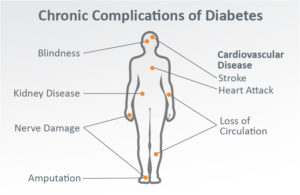 diabeteswalls.blogspot.comWhat Happens If A Type 2 Diabetic Stops Taking Insulin
www.diabetescaretalk.netHow Basal Insulin Can Help Your Reach Your Type 2 Diabetes Goals
 www.everydayhealth.cominsulin solostar memakai basal prosehat
What happens if a type 2 diabetic stops taking insulin. Insulin solostar memakai basal prosehat. Pin on health, medical